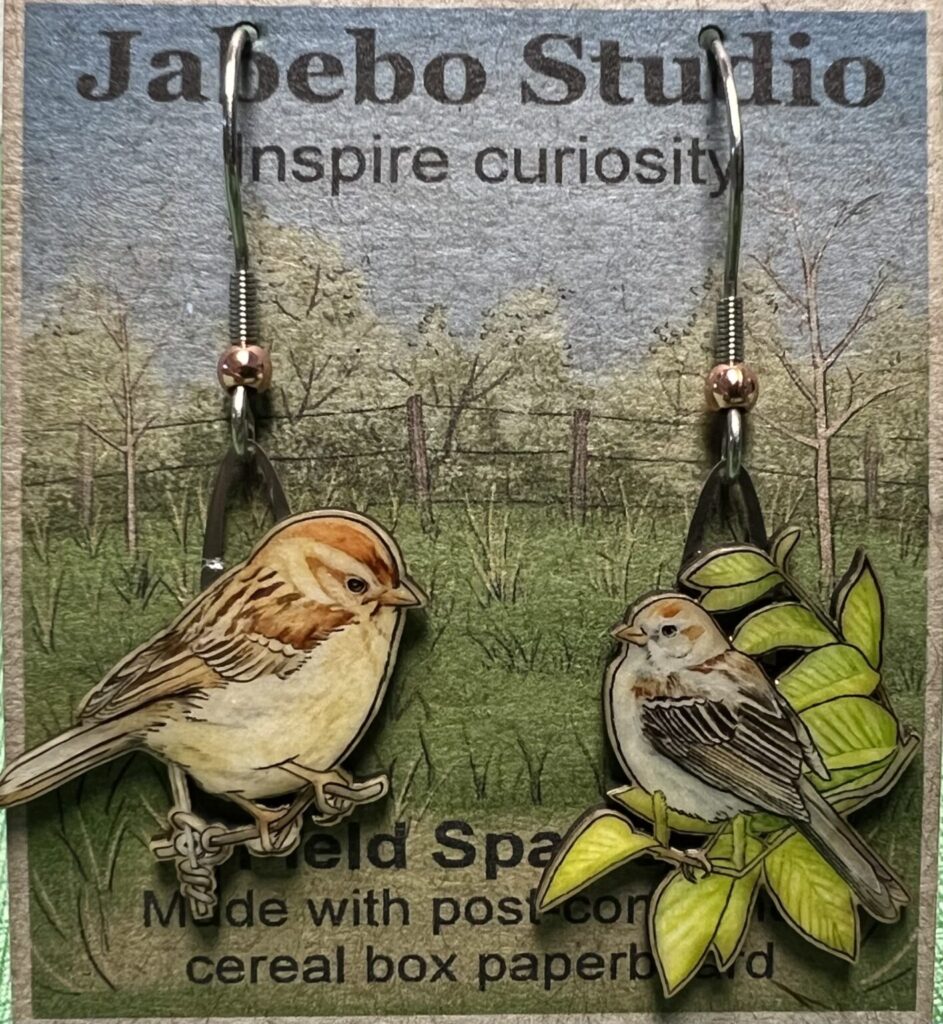
Sparrows are usually tricky to ID, but the Field Sparrow is and easy add for the budding birder. They are a reliable find when passing by overgrown fields and open areas in the eastern U.S. Their distinctive call is often described as a dropped ping pong ball.
Design illustration by Amy Shawley Paquette
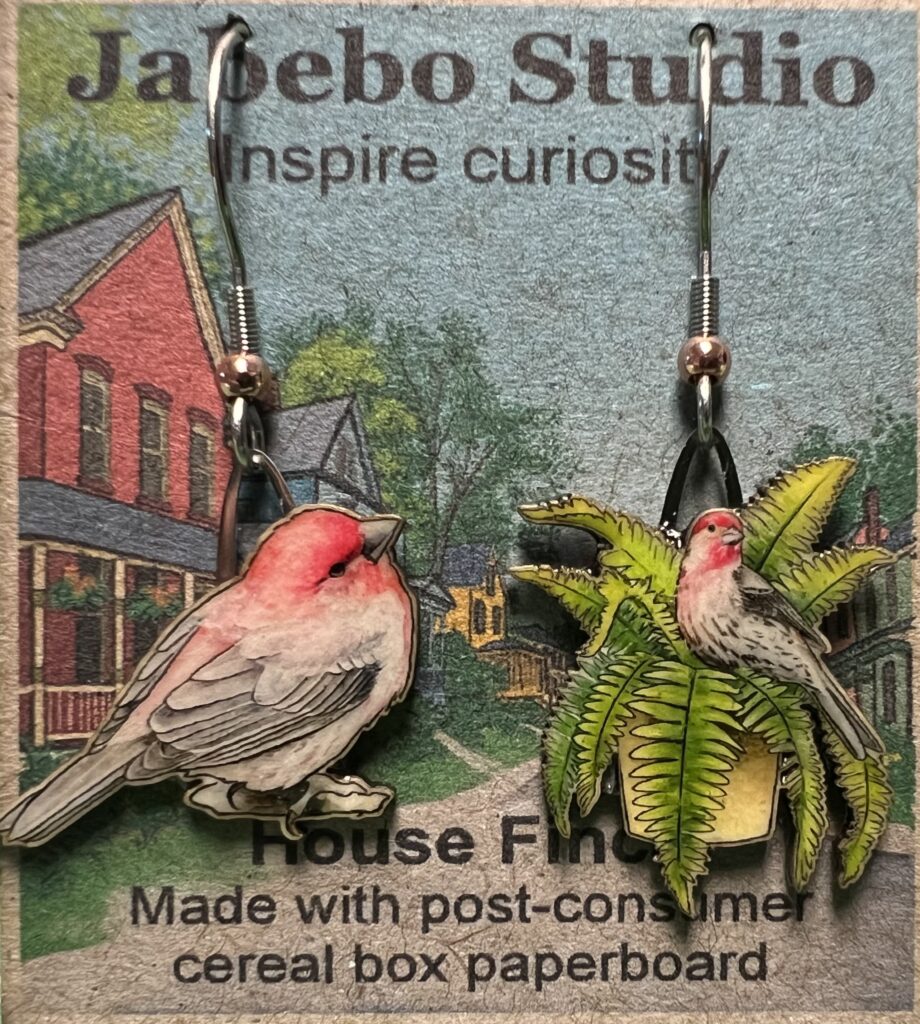
Forget “backyard birds,” house finches much prefer the front porch. Today, all across North America, these birds are surprising residents by building nests in their hanging plants. However, house finches are actually native to southwestern deserts and grasslands and were introduced to the eastern U.S. less than 100 years ago.
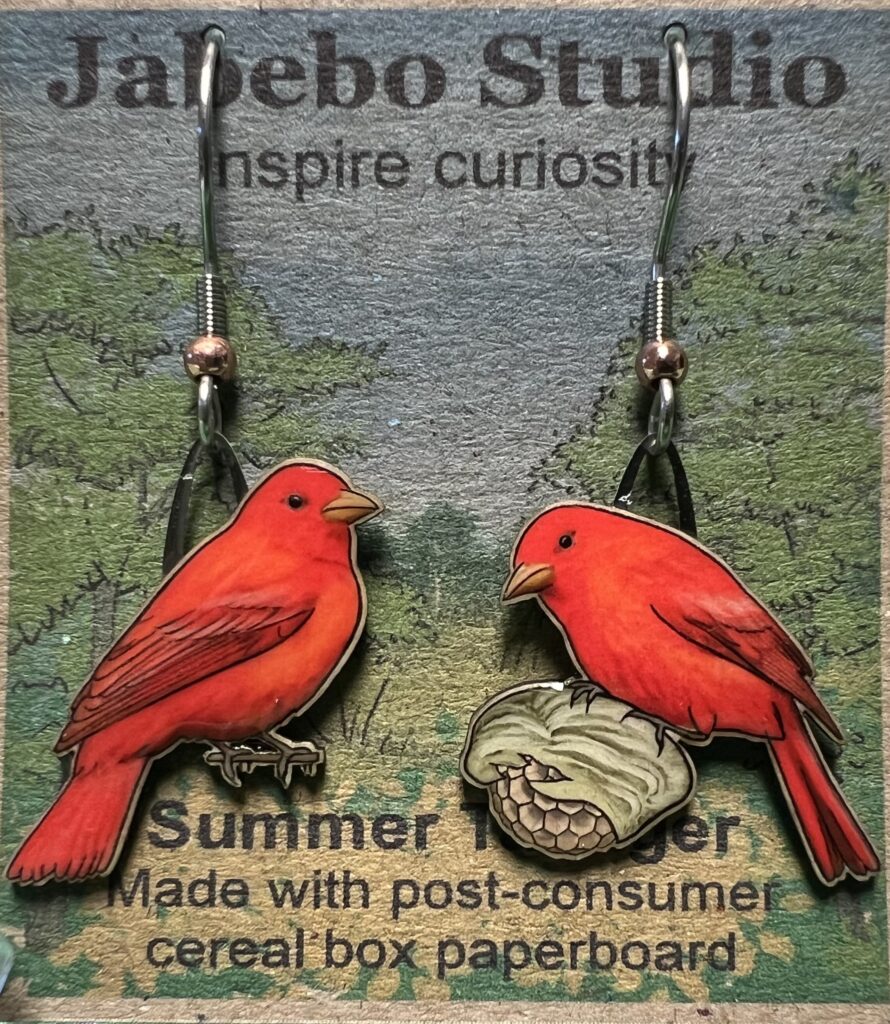
This strikingly red bird (the females are yellow) has a superpower: the ability to catch and eat wasps and bees. They eat the adults after beating them against branches to remove the stinger. Then, the bird will tear into the nest for the grubs.
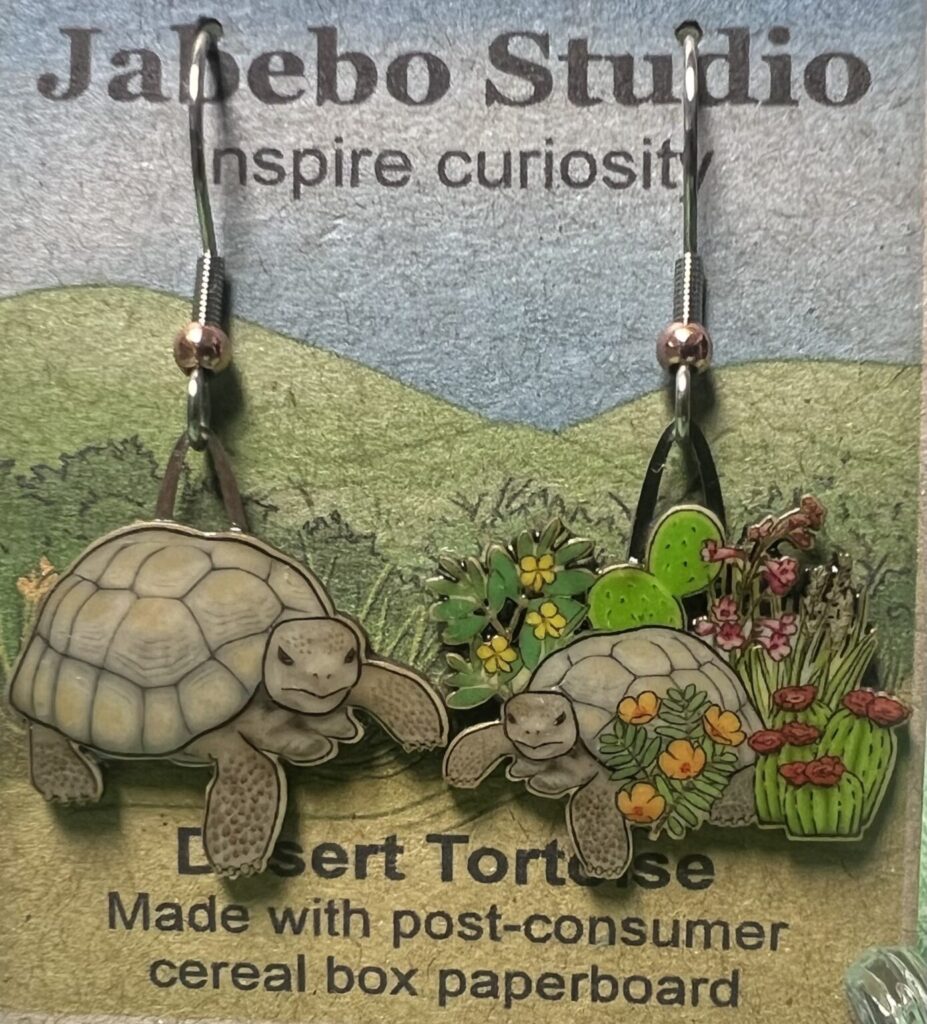
One of our wonderful desert creatures of the west, these tortoises rarely need to drink. They obtain water seasonally by eating flowers and lush desert growth. In dry periods, they can store water for months in their bladder. Deserts have all the ingredients for a beautiful garden, and we can also create one by choosing plants that are good for tortoises.
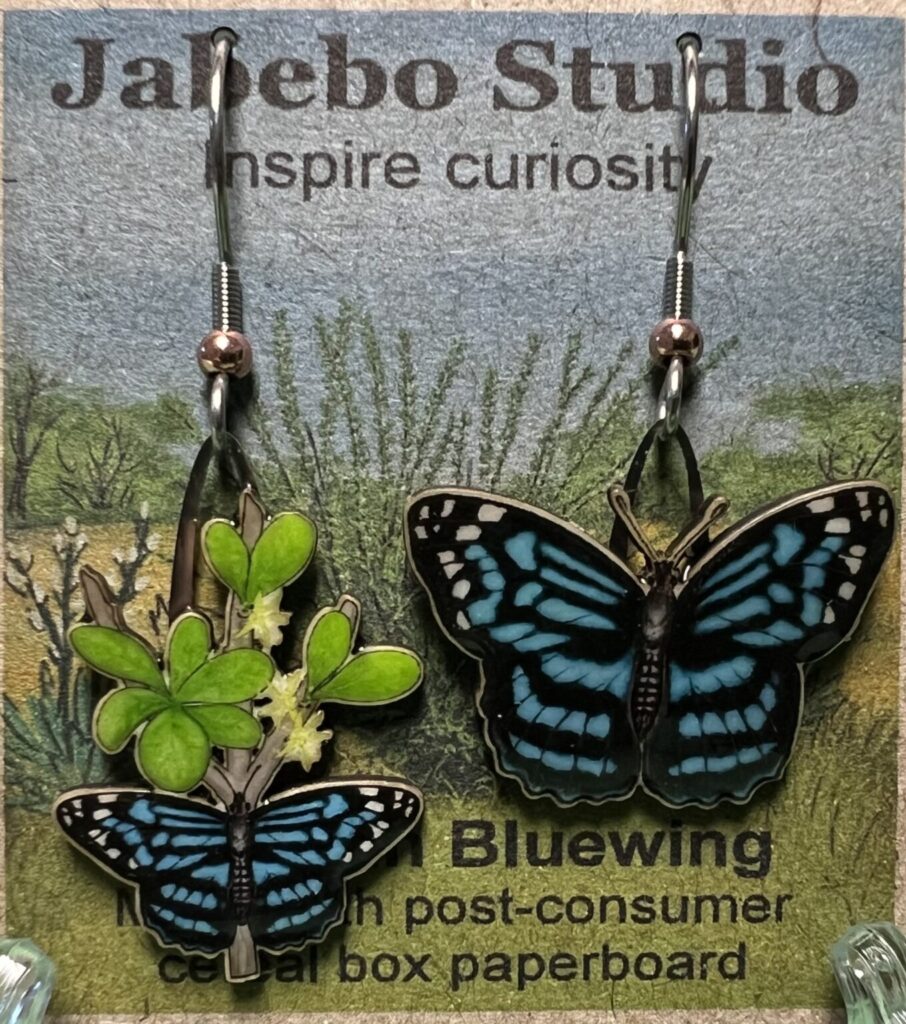
A native butterfly of the state of Texas, this beautiful species resides in the rivering corridor of the Rio Grande. Their host plant, Vasey’s Adelia, can be found in the ecotone between the lusher river vegetation and the dryer upland ground. The range for Mexican Bluewing extends from Texas down to South America. It is a must-see for butterfly enthusiasts and is often featured in butterfly aviaries outside of their range
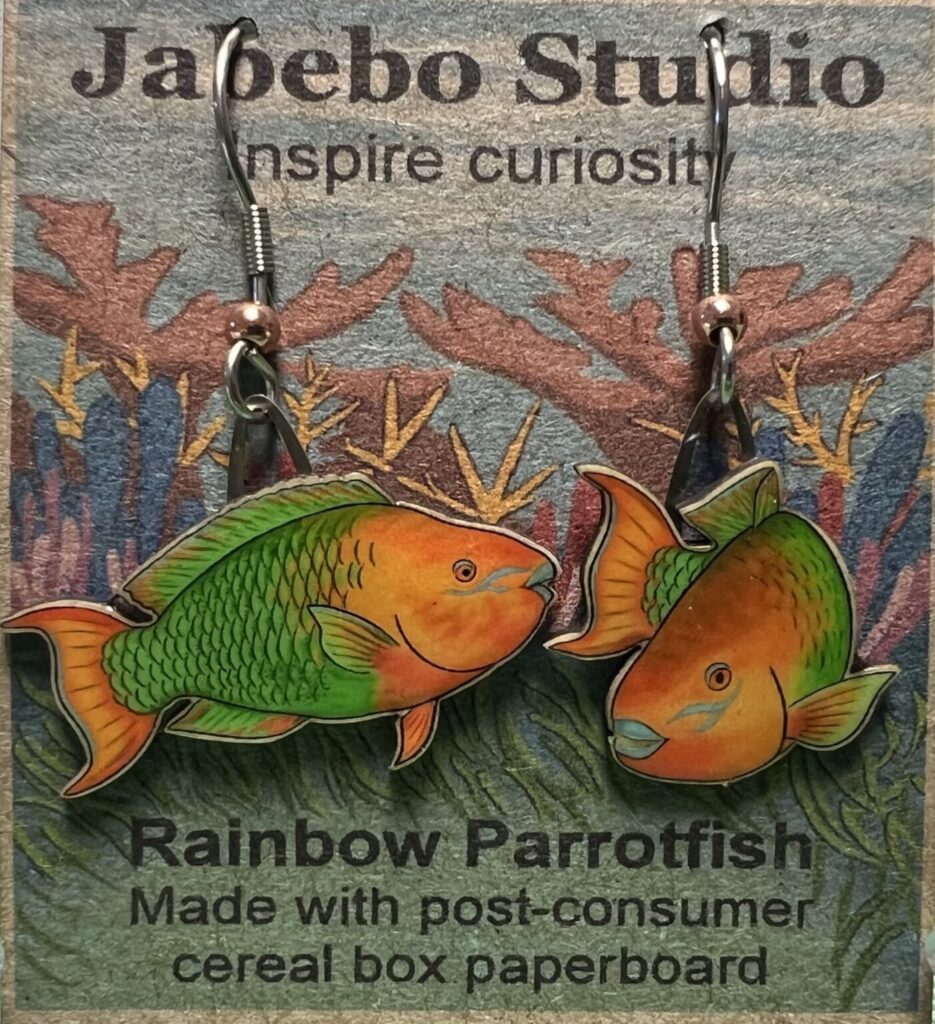
In their terminal male phase, the rainbow parrotfish is dramatically colored and can grow to almost 4 feet in length. Living in southern Florida and throughout the tropical Atlantic, encountering one is likely to make one’s snorkeling or dive excursion memorable. Parrotfish begin adulthood as female (called the initial phase) with noticeably different colors and markings. When larger males die out, certain females will transition into males to take their place.
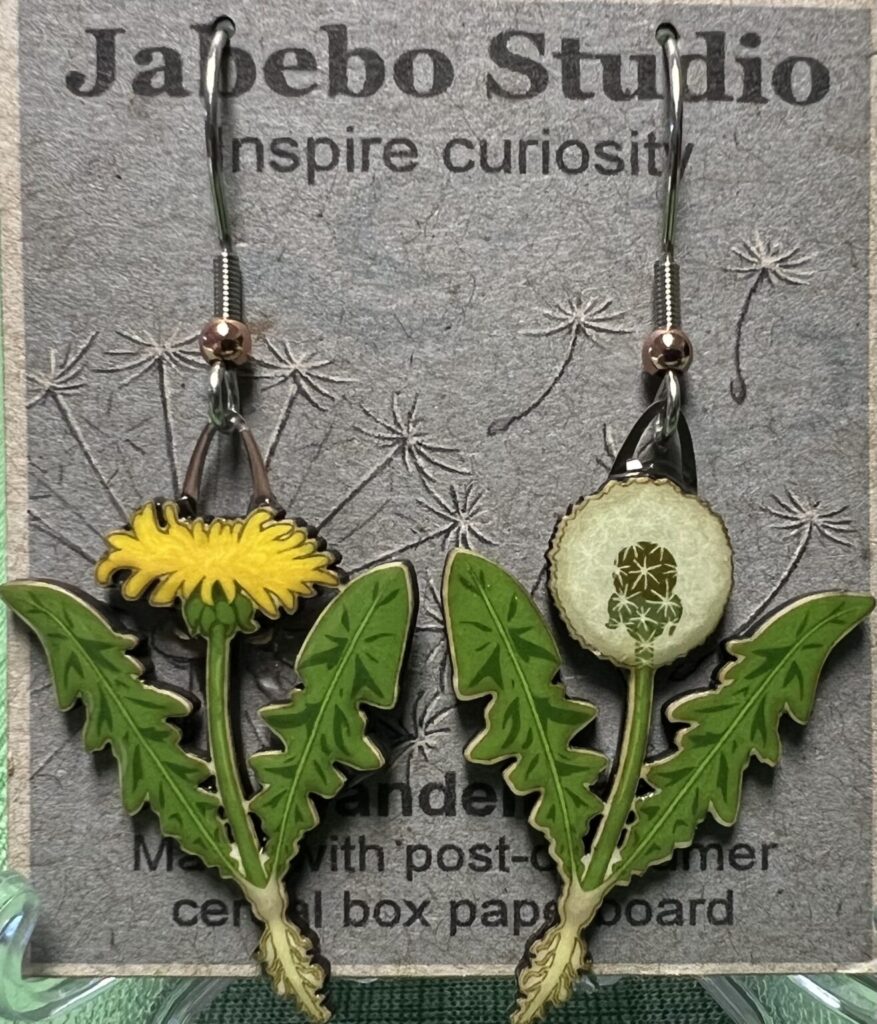
Originating in Europe, the pervasive dandelion is now found around the world. Though considered a pest by many landscapers, it serves as an essential source of nectar for pollinators. They are also a nutritional food for humans.
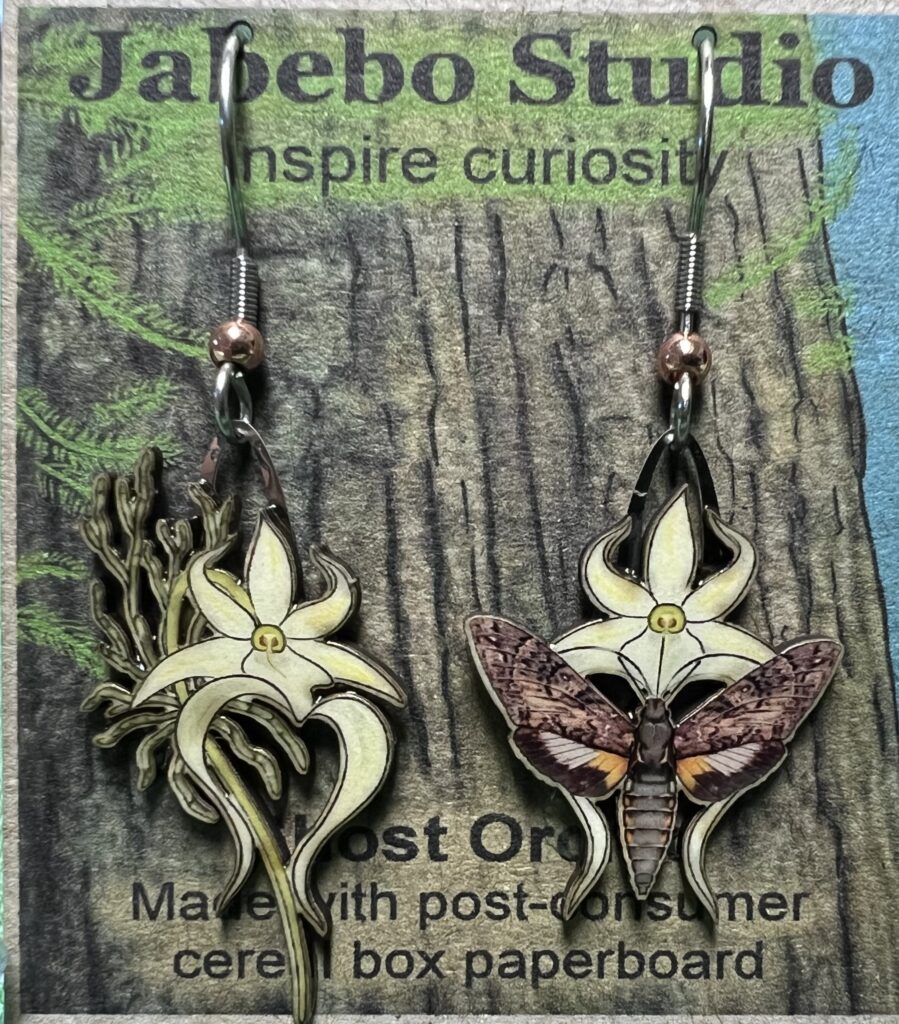
The first orchid to be added to our collection, but not the last. The spooky Ghost Orchid lives in the cypress swamps of southern Florida. As an epiphyte, it grows in trees, but-unlike most plants- it has no leaves. The roots, which grow and hold on to the bark of a living tree, are also photosynthetic. Because of their often inaccessible habitate, these orchids are nearly impossible to spot. But, enthusiasts may go to see their blooms at the Corkscrew Swamp Sanctuary in June and July.